



The authors describe the factors affecting reconstitution time of dry powder for injection and classifies them as intrinsic and extrinsic parameters.
The authors describe the factors affecting reconstitution time of dry powder for injection and classifies them as intrinsic and extrinsic parameters.
Clear labels for substances that can be used as excipients, APIs, or both are critical to end-product use.
Polyethylene glycol (PEG) conjugation is a highly effective technical and commercial strategy to develop macromolecules. The authors explain the benefits and process of PEGylation and how it may be applied to small molecules.
With no economic relief in sight, industry, like all of us, is grappling with high-and new-costs.
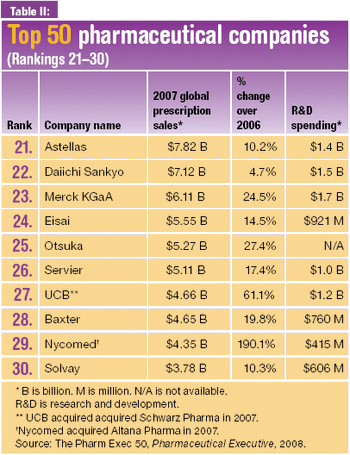
The pharmaceutical majors invest in biologics production capacity as they advance restructuring programs and build their pipelines
Pharmaceutical Technology Europe
Nasal drug delivery depends on many factors, including the conditions of use by the patient, the drug formulation, and the spray pump and aerosol characteristics. In recent years, the types of drug administered via the nasal route have expanded from locally acting drugs, such as those for allergic rhinitis, to delicate molecules for systemic activity, such as vaccines, proteins and peptides, which can be difficult to administer noninvasively. While the nasal cavity provides a delivery pathway for these large molecules, the rate of mucociliary clearance in the nasal cavity may hinder the extent of absorption. Therefore, formulators must develop mechanisms that improve absorption for high molecular weight compounds.
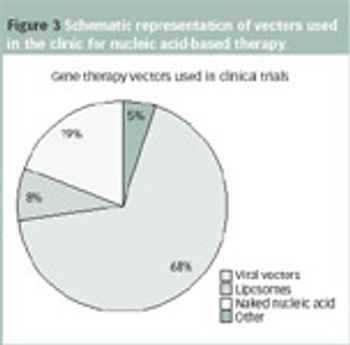
Pharmaceutical Technology Europe
The introduction of biomolecules into cells is a key technology for research in biological sciences.
Biomedical researchers at UT Southwestern Medical Center and nanotechnology scientists at UT Dallas are collaborating on a study that seeks to selectively kill cancer cells using monoclonal antibodies to coat carbon nanotubes that heat up when exposed to near-infrared (NIR) light.
ePT--the Electronic Newsletter of Pharmaceutical Technology
Also, Stiefel Laboratories will acquire Barrier Therapeutics, Danube Pharmaceuticals appoints Brian Levy COO, more...
ePT--the Electronic Newsletter of Pharmaceutical Technology
Also, Patheon to expand Puerto Rico facility, Creabilis Therapeutics appoints Tony Wilson CEO, more...
ePT--the Electronic Newsletter of Pharmaceutical Technology
With most deadlines missed for reviewing each abbreviated new drug application (ANDA) it receives, the US Food and Drug Administration is likely to take advice from the US Department of Health and Human Services (HHS) on how to speed up its process.
ePT--the Electronic Newsletter of Pharmaceutical Technology
Also, Shire voluntarily recalls ADHD patch Daytrana
ePT--the Electronic Newsletter of Pharmaceutical Technology
Also, Pall plans expansion in South America, Anthony Clarke joins Alexza Pharmaceuticals, more...
ePT--the Electronic Newsletter of Pharmaceutical Technology
The US Food and Drug Administration advised patients, caregivers, and healthcare professionals to switch to hydrofluoroalkane-propelled albuterol inhalers now because chlorofluorocarbon-propelled inhalers will not be available in the US after Dec. 31, 2008.
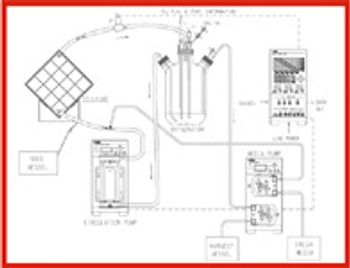
Creating a kinder, gentler manufacturing process that doesn't kill the product is the goal of process developers doing large-scale cell culture for cell therapy.

Nanoparticle-based systems present many advantages for the delivery of current and emerging biological drugs.

Letting the public inside the drug development process may increase their faith in what we do.
Although the spotlight is now on nanoparticulate delivery for biologicals, other strategies have proven successful.
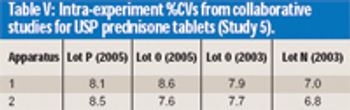
The authors demonstrate that anecdotal reports of prednisone tablet variability are inaccurate.

The good, the bad, and the ugly about direct-to-consumer advertising.
An ambitious survey of characterization techniques presents current information.

Pharmaceutical Technology Europe
When drugs are encapsulated, electrification (the electrostatic charge of the capsule) may sometimes cause problems, such as capsule adhesion during transportation or dispersion of the capsule content in the filling process.
Pharmaceutical Technology Europe
There are two ways in which 'difficult' samples are usually categorized: either by the problems posed by the physical nature of the post-vivo sample matrix containing the chemical entity to be analysed, or...

Pharmaceutical Technology Europe
Once famous for coal and steel, Wales now aims to make its mark in the life sciences sector. The recent BioWales 2008 (UK) conference demonstrated how much the region has progressed, thanks to the support of the Welsh Assembly government, the EU and the enthusiasm of the Welsh biotech community. The country's bioscience sector, which comprises approximately 200 companies, grew by 18% last year and is now worth £1.3 billion (€1.6 billion) in annual turnover, employing 15–20000 people.
ePT--the Electronic Newsletter of Pharmaceutical Technology
University of Calgary biochemists used computer simulation in a new toxicity study to predict how "buckyballs," carbon-60 soccer ball-shaped nanomolecules, could damage animal cells.