
GLP-1 / insulin demand is straining CDMO fill-finish capacity. This piece examines bottlenecks in automated pen injector assembly and strategies to optimize operations.
GLP-1 / insulin demand is straining CDMO fill-finish capacity. This piece examines bottlenecks in automated pen injector assembly and strategies to optimize operations.

The EMA’s annual report shows the agency approved 104 human drugs in 2025 that included first-in-class and first-in-indication therapies.
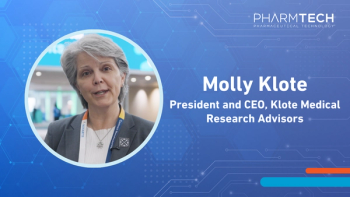
Molly Klote, Klote Medical Research Advisors, discusses how pharma must move beyond tariff-driven reactions to build evidence-based, quality-led supply chain resilience that satisfies FDA scrutiny and protects patient access.

GSK boosts oncology pipeline with Nuvalent acquisition, advancing FDA-designated ROS1/ALK inhibitors for NSCLC and expanding kinase inhibitor drug development in lung cancer.
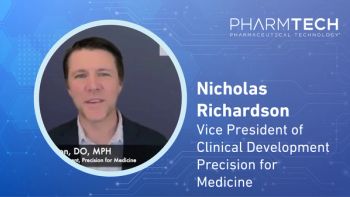
Nicholas Richardson, vice president of clinical development at Precision for Medicine, explains why radiopharmaceuticals are unique for patients with cancer and what makes them challenging to develop for those patients.

The standards organization’s annual drug shortages report finds drug shortages lasting longer and the number of discontinuations rising, but the number of shortages themselves have gone down.
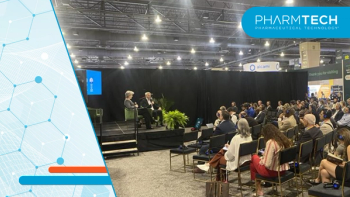
Pharmaceutical suppliers face growing pressure to calculate product carbon footprints as customer requirements and global regulations tighten.

Three primary clinical data management architectures--Clinical Data Warehouses, Clinical Data Lakes, and Clinical Data Lakehouses--are the newest technologies aiming to leverage AI for predictive analytics.
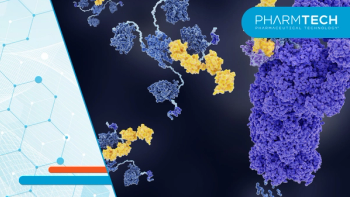
J&J and Roche commit billions to protein degrader platforms, signaling a new era in oncology drug development with major manufacturing implications.

Susan J. Schniepp, distinguished fellow at Nelson Labs, and Siegfried Schmitt, PhD, vice president, Technical at Parexel, discuss how companies can investigate patient complaints involving prefilled syringes and combination products.
Regulatory reform, patient access, and supply chain security were 3 of the key themes showcased this week on PharmTech.com.
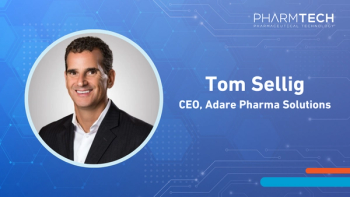
Tom Sellig, Adare Pharma Solutions, shares how the CDMO is positioning for growth amid US reshoring and oral dose innovation trends.
At CPHI Americas, Molly Klote, Klote Medical Research Advisors, spoke about how the pharma industry faces tariff volatility and reshoring pressure. She warned FDA wants actionable supply chain plans, not slogans, with quality built in.

The established safety profiles, dosing regimens, and manufacturing pathways of repurposed generics can significantly shorten timelines and reduce costs as alternative cancer therapies.
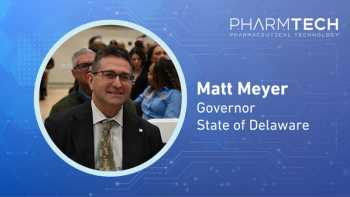
At CPHI Americas, Delaware Gov. Matt Meyer argues domestic pharma manufacturing is a national security priority and positions Delaware as the ideal reshoring hub.

Changes in regulations are reducing costs, expediting approval, and increasing the market for biosimilars.

EMA, AMA, and national regulatory authorities in Africa are working on potential clinical trial designs and medical treatments for the Ebola outbreak in the DRC and Uganda.
At CPHI Americas, Delaware governor Matt Meyer outlined the state's biopharma vision: fostering workforce talent, industry collaboration, and regulatory speed to market.

CMC teams can align with Q5A(R2)’s updated guidance to shorten testing timelines and strengthen assurance of participant safety.

The organization’s set of product-specific biologics emerging standards are available on its Emerging Standards Platform for public comment.
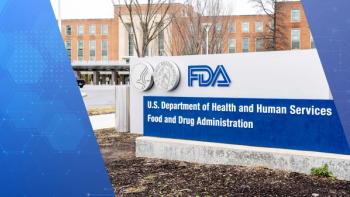
FDA instability, staff turnover, and evolving review standards are reshaping drug development. Richard Pazdur, formerly with the FDA, shares what sponsors need to know now.

The new draft guidance allows for the use of publicly available information and established platform knowledge in regulatory submissions for cell and gene therapies that use genome editing in human somatic cells.
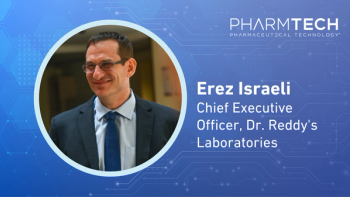
Erez Israeli, chief executive officer of Dr. Reddy's Laboratories, provides insight on the company’s generic version of semaglutide, which entered the Canadian market in May 2026.
Nicholas Richardson, vice president of clinical development at Precision for Medicine, explains how important infrastructure is for radiopharmaceutical development.

FDA approves inhaled insulin Afrezza for children aged 6+, expanding pediatric diabetes care and highlighting inhaled biologics' manufacturing complexity.
This week's news and expert commentary shows that regulatory timelines are tightening, strategic capital is moving into new therapeutic categories, and long-standing operational gaps are demanding real solutions.


PharmTech takes a look back at US and European regulatory news from the month of May 2026.

Pfizer and Innovent's $10.5B oncology collaboration spans 12 cancer programs, signaling a new model for global pharmaceutical development and cross-border drug partnerships.
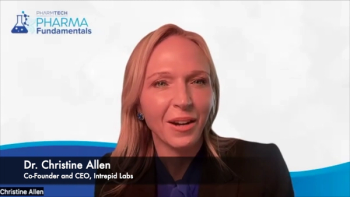
Dr. Christine Allen, Co-Founder and CEO of Intrepid Labs, and Dr. Andrew Lewis, Chief Scientific Officer of Quotient Sciences, explain how AI can be used in drug development to shorten development timelines.