
Drug Development
Latest News

Advertisement
Research into Cold Cancers Heating Up
Accurately targeted immunotherapies through reliable neoantigen recognition enable personalized medicine development.
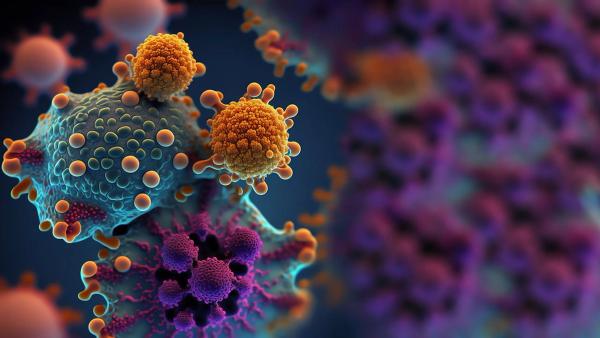
Development of Gamma-Delta T-Cell Therapies
Activation and expansion are essential for success in both autologous and allogeneic therapies.

QbD for Small-Molecule Continuous Process Development
Continuous manufacturing and a quality-by-design development approach are a natural fit.

Latest Videos
Shorts
0:33
Infrastructure Needs for Radiopharmaceutical Trials
9 days ago
by
Nicholas Richardson(+1 more)
0:29
The Importance of Treating HPV
14 days ago
by
Sandra Coufal, MD(+2 more)
0:18
Why FDA Rejections Happen And How to Stop Them
14 days ago
by
Andrew Lewis (+1 more)
0:20
How AI is Revolutionizing Drug Development and Innovation
14 days ago
by
Christine Allen(+1 more)
0:43
The Promising Results of TGN-S11
16 days ago
by
Sandra Coufal, MD(+2 more)
0:32
How the Right FDA Strategy Saves Millions
17 days ago
by
Sandra Coufal, MD(+2 more)

0:20
The Just-in-Time Challenge of Cancer Drugs
19 days ago
by
Nicholas Richardson(+1 more)
0:23
Navigating the Double-Layer of Cancer Drug Regulations
20 days ago
by
Nicholas Richardson(+1 more)
0:30
Why Slow-Release Medication is Safer
21 days ago
by
Sandra Coufal, MD(+2 more)

0:25
When Virtual Groups Don't Work
a month ago
by
Laura Lotfi(+1 more)
Advertisement
More News
The established safety profiles, dosing regimens, and manufacturing pathways of repurposed generics can significantly shorten timelines and reduce costs as alternative cancer therapies.
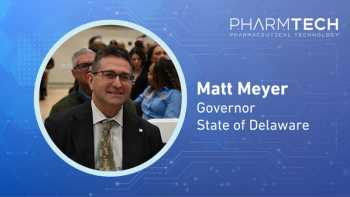
At CPHI Americas, Delaware Gov. Matt Meyer argues domestic pharma manufacturing is a national security priority and positions Delaware as the ideal reshoring hub.
Changes in regulations are reducing costs, expediting approval, and increasing the market for biosimilars.

EMA, AMA, and national regulatory authorities in Africa are working on potential clinical trial designs and medical treatments for the Ebola outbreak in the DRC and Uganda.

The organization’s set of product-specific biologics emerging standards are available on its Emerging Standards Platform for public comment.
FDA instability, staff turnover, and evolving review standards are reshaping drug development. Richard Pazdur, formerly with the FDA, shares what sponsors need to know now.

The new draft guidance allows for the use of publicly available information and established platform knowledge in regulatory submissions for cell and gene therapies that use genome editing in human somatic cells.
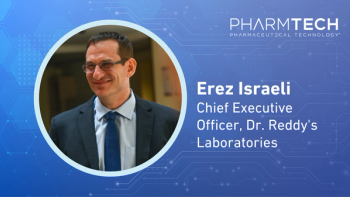
Erez Israeli, chief executive officer of Dr. Reddy's Laboratories, provides insight on the company’s generic version of semaglutide, which entered the Canadian market in May 2026.
Nicholas Richardson, vice president of clinical development at Precision for Medicine, explains how important infrastructure is for radiopharmaceutical development.
FDA approves inhaled insulin Afrezza for children aged 6+, expanding pediatric diabetes care and highlighting inhaled biologics' manufacturing complexity.
This week's news and expert commentary shows that regulatory timelines are tightening, strategic capital is moving into new therapeutic categories, and long-standing operational gaps are demanding real solutions.

Pfizer and Innovent's $10.5B oncology collaboration spans 12 cancer programs, signaling a new model for global pharmaceutical development and cross-border drug partnerships.
Dr. Christine Allen, Co-Founder and CEO of Intrepid Labs, and Dr. Andrew Lewis, Chief Scientific Officer of Quotient Sciences, explain how AI can be used in drug development to shorten development timelines.
FDA extends AstraZeneca’s camizestrant's review deadline to assess additional data after its advisory committee failed to reach a majority vote in April.

Lilly acquires three biotech firms for up to $3.83 billion, targeting vaccines that may prevent not just infection but also downstream neurological and oncological disease.

Lilly’s Engage Bio acquisition adds a preclinical non-viral DNA delivery platform to its genetic medicines development portfolio.

2026 regulatory shifts are accelerating rare disease drug approvals and reshaping clinical development, evidentiary standards, and pharmaceutical manufacturing strategies.
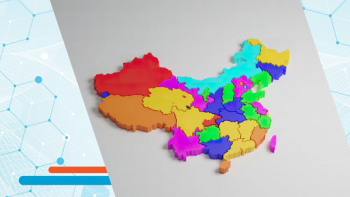
Bristol Myers Squibb’s Hengrui agreement underscores how China-based early development may influence portfolio and manufacturing decisions.

Lilly expanded its Indiana manufacturing investment by $4.5 billion to support tirzepatide, oral glucagon-like peptide-1, and genetic medicines.

High-concentration formulations and patient centricity are challenges to the formulation of biosimilars, which already face patent protection barriers.
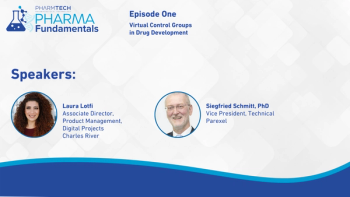
Alternative methods to the use of animals in pharmaceutical testing are becoming more used and accepted. Laura Lotfi of Charles River breaks down the basics of virtual control groups in drug development.
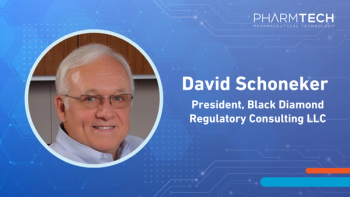
In part 2 of a multi-part series, David Schoneker, president, Black Diamond Regulatory Consulting, explains what drives the need for the development of a new excipient and how involved regulators are in the process.

FDA approves AstraZeneca's Breztri as the first single-inhaler triple therapy for asthma in patients 12+, a new precedent for respiratory drug developers.

Panelists at INTERPHEX 2026 talked about the move to hybrid modeling for process development and the barriers to the adoption of artificial intelligence in pharmaceutical manufacturing.
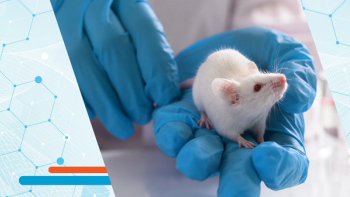
The agency is celebrating the achievement of key first year goals in implementing the Roadmap to Reducing Animal Testing in Preclinical Safety Studies.
Advertisement
Advertisement