

The primary impact of using the covalidation model is the expedited analytical method qualification of both the transferring and receiving laboratories.
Accurately targeted immunotherapies through reliable neoantigen recognition enable personalized medicine development.
Activation and expansion are essential for success in both autologous and allogeneic therapies.
Continuous manufacturing and a quality-by-design development approach are a natural fit.

The primary impact of using the covalidation model is the expedited analytical method qualification of both the transferring and receiving laboratories.
Design of experiment plays a crucial role in the optimization process of formulation development.

David Fulper, PhD, director of technology support at Catalent, shares insights on the challenges and opportunities for cannabis-based therapeutics.
Anil Kane, executive director, Global Head of Formulation Sciences, Pharmaceutical Development Services at Patheon discusses key parameters in the development and manufacturing of oral solid-dosage forms.
Interpretation of calorimetric data is tricky. The author suggests 10 questions that should be asked of any calorimetric method, along with the rationales behind them.
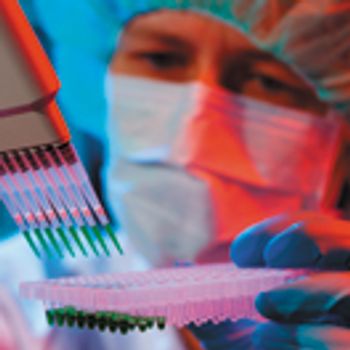
As regulators strive for balance in cGMPs for cell, gene, and tissue therapies, risk-management principles must guide decisions involving process media and additives.
Advances in process analytical technology have been achieved, but significant challenges remain.

This article summarizes the evolution of the viscosity standards and their corresponding applications in the USP−NF compendia.
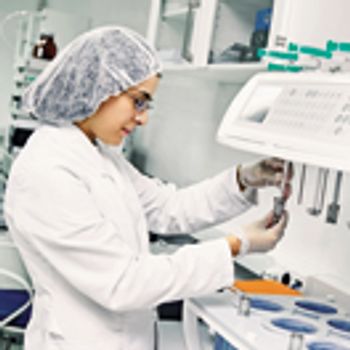
Process analytical technology, based on monitoring particle size distribution and tracking coating thickness measurements in real time, can be used to predict the dissolution of polymer-coated multiparticulates.
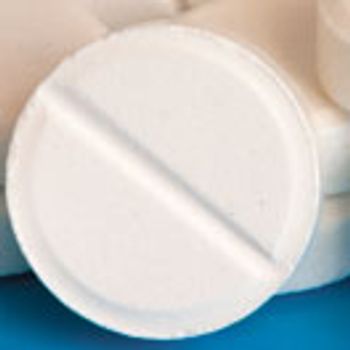
A case study reviews the reformulation and scale up of high drug load prototype using wet granulation process for a model formulation.
Under the agreement, Laurus Synthesis will provide chemistry development services and manufacturing in support of an upcoming clinical trial evaluating EPX-100 in adolescents suffering from Dravet syndrome.
The Basel office will house the clinical development team and other functions to progress the company’s lead compound emapalumab.
Caladrius is selling the remaining percentage of the subsidiary in order to focus on cell therapy development.
Excipient manufacturer adds three tablet binding and disintegration products.
Human antibody for Zika virus could help in the treatment and prevention of the infection.

Effective solutions for overcoming the high molecular weight, hydrophilicity, and instability of large biomolecules have yet to be identified.
The Mutual Recognition Agreement will allow FDA and EU inspectors to recognize each other’s work and avoid the duplication of drug inspections.
Drug type, potential sales, and ownership factor in the race to get drugs to market.

Capsule filling is a complex process, and the product to be encapsulated must be well developed to ensure mass uniformity.
The UK Stem Cell Bank released validated stem-cell lines for researchers developing novel cell-based therapies for clinical trials.
Sanofi and Lonza formed a joint venture to build and operate a large-scale mammalian cell culture facility for monoclonal antibody production in Visp, Switzerland.
The agency’s CHMP recommended conditional marketing authorization for the hormone replacement therapy for the treatment of chronic hypoparathyroidism.
The authors discuss regulatory and patent issues with combination products.
Under the agreement, Abzena will manufacture magacizumab, an antibody created using the ‘Abzena inside’ Composite Human Antibody technology.
The Patent Trial and Appeal Board ruled in favor of the Broad Institute, allowing the institution to keep patents for its CRISPR-Cas9 gene-editing technology.