

Pharmaceutical Technology Europe celebrates 30 years in publishing the latest insights, analysis, and developments of the bio/pharma industry.
Accurately targeted immunotherapies through reliable neoantigen recognition enable personalized medicine development.
Activation and expansion are essential for success in both autologous and allogeneic therapies.
Continuous manufacturing and a quality-by-design development approach are a natural fit.
Pharmaceutical Technology Europe celebrates 30 years in publishing the latest insights, analysis, and developments of the bio/pharma industry.
The evolution of CDMOs has led to increased investment in new technologies, capabilities, and expertise.
Rapid change towards industry developing and manufacturing niche APIs is leading to smaller-scale facilities that offer higher containment and flexibility.
To help customers succeed, CDMOs have moved away from the ‘fee-for-service’ model to offer flexible, full-service partnerships.
Glass vials have come a long way from mere commodities and are now considered an integral part of final drug product.
To deal with the complex requirements of biopharmaceuticals, companies need a sophisticated toolbox of analytical and purification techniques.
Europe has introduced a waiver for supplementary protection certificates, polarizing opinions throughout the industry. In this interview, the SPC waiver and its implications for European pharma are discussed.
Personalized medicine and direct-to-patient trial models have made the difficult even more challenging.
Protein characterization is a critical part of drug development, but as there are still limitations with available techniques, industry needs to look at technological advances to meet the specific requirements of complex molecule characterization.
Formulators of parenteral drugs must be cautious of specific considerations and challenges that arise during development and manufacture.
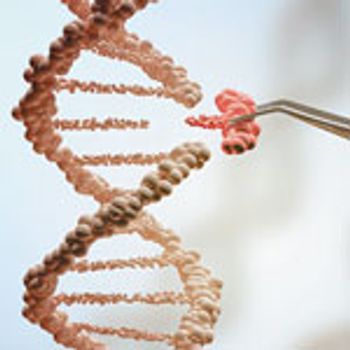
Industry experts discuss the role of gene-editing techniques in regenerative medicine and cell-line development.
A one-size-fits-all strategy is not the best approach for the development of a chemistry, manufacturing, and controls program.
Bio/pharmaceutical companies are adopting artificial intelligence for discovery, development, risk assessment, safety monitoring, and manufacturing.
Biopharma industry faces production challenges as gene therapies move from clinical to commercialization.
Mass-produce cell and gene therapies presents the biopharma industry with a unique set of challenges.
NIIMBL announced it is partnering with FDA through the University of Delaware to improve biopharmaceutical manufacturing.
Cure Pharmaceutical secured a patent that lets the company load higher drug amounts to its proprietary drug delivery system, CUREfilm.
Development and manufacturing machine specialists, groninger, have opened a new showroom at its headquarters based in Crailsheim, Germany.
The new guidance offers information for new drug application and biologics license application sponsors regarding population pharmacokinetic analysis.
The draft guidance provides industry with a guide for using the database to assist in the development of drug products.
FDA released draft guidance on using the USP pending monograph process in the drug application process.
The companies announced their collaboration to provide a human-induced pluripotent stem cell (iPSC)-based integrated platform for drug discovery solutions.

To rapidly achieve high-quality pharmaceutical manufacturing processes, industry must develop prospective, management-based approaches instead of retrospective performance-based measures.

This article discusses current methods of endotoxin testing, its importance to the industry, sustainability issues relating to the process, and best practices.

Several trends are driving change in oral solid‑dosage forms and giving rise to the requirement of ‘fit-for-purpose’ excipients.