
A new polymer surface material has been invented by researchers in Sweden that uses electrical signals to both capture and release biomolecules.
Accurately targeted immunotherapies through reliable neoantigen recognition enable personalized medicine development.

Activation and expansion are essential for success in both autologous and allogeneic therapies.

Continuous manufacturing and a quality-by-design development approach are a natural fit.

A new polymer surface material has been invented by researchers in Sweden that uses electrical signals to both capture and release biomolecules.
Precision BioSciences has released clinical trial data on CAR T therapy candidates PBCAR0191, PBCAR19B, and PBCAR269A.
Thermo Fisher Scientific and Qatar Genome Program will use custom genotyping arrays to accelerate genomic research in Qatar.

Putting the patient at the forefront of drug development is essential, particularly to ensure medication compliance is optimized.

The right processes used with the right excipient combinations address evolving formulation needs.

Collecting relevant data, planning ahead, and communicating with regulatory bodies in pre-IND meeting programs can help companies to avoid roadblocks in IND applications.

The inaugural Connect in Pharma event will take place on 14 and 15 September in Geneva, Switzerland.
Lonza and Israel Biotech Fund form a two-year agreement to support accelerated development and manufacture of biologics and small molecules.
Lubrizol has launched Apisolex technology to improve solubility and simplify the manufacturing of parenteral drug products.
A new initiative aims to speed the approval of and access to new drugs for young patients around the world, while limiting the number of children needed for testing in clinical trials.
Investment has been made into a new science hub at the University of Edinburgh for the development of treatments for lung infections and future pandemics.

Flexible and efficient methods are needed for biopharmaceutical manufacturing.

The latest manufacturing technologies are essential for helping pharmaceutical formulators meet up-and-coming trends in OSD treatments.

CGTs offer hope for the future of treatments, but the costly manufacturing, slow turnaround time, and need for supplies hinder progress.
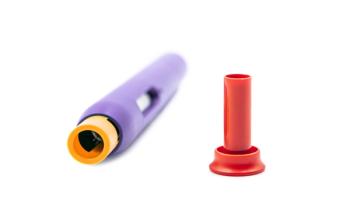
The author describes how to seize market opportunities while navigating the requirements of both drug therapies and delivery devices.
The agency’s Center for Drug Evaluation and Research has launched the new program to increase development of treatment options for patients with rare diseases.
AstraZeneca has announced plans to open a new strategic R&D center in Cambridge, MA, which will also serve as Alexion’s headquarters.

In this episode of Drug Digest, Pharmaceutical Technology editors, Felicity Thomas and Feliza Mirasol, examine the topic of emerging therapies in more detail, covering subjects such as the challenges of scale, the potential benefits of drug delivery innovation, importance of early analytical studies, the evolution of the regulatory landscape, and differences between regional regulatory requirements.

In this episode of the Drug Solutions Podcast, Feliza Mirasol, Pharmaceutical Technology’s science editor, discusses technologies enabling biologics and emerging therapies manufacturing and development with Barry Holtz, PhD, chief scientific officer of Phylloceuticals, and Professor Yaakov Nahmias, founder and chief scientific officer, Tissue Dynamics and founder and president, Future Meat Technologies.

Resolving operational bottlenecks makes mAb manufacturing more efficient.

Inhalation formulations are complex, and empirical data are essential for realizing optimal solutions.

Advances in therapeutic modalities and an increase in molecular complexity have led to the need for an evolution in drug delivery approaches over the years.

Ongoing advances in technology and modeling techniques are helping to align all the objectives of both drug manufacturers and patients.

Using more exacting analytical tools can give a clearer assessment of gene-editing outcomes.

Digital maintenance solutions can help visualize the value and key activities provided by the equipment vendor from inception to utilization.