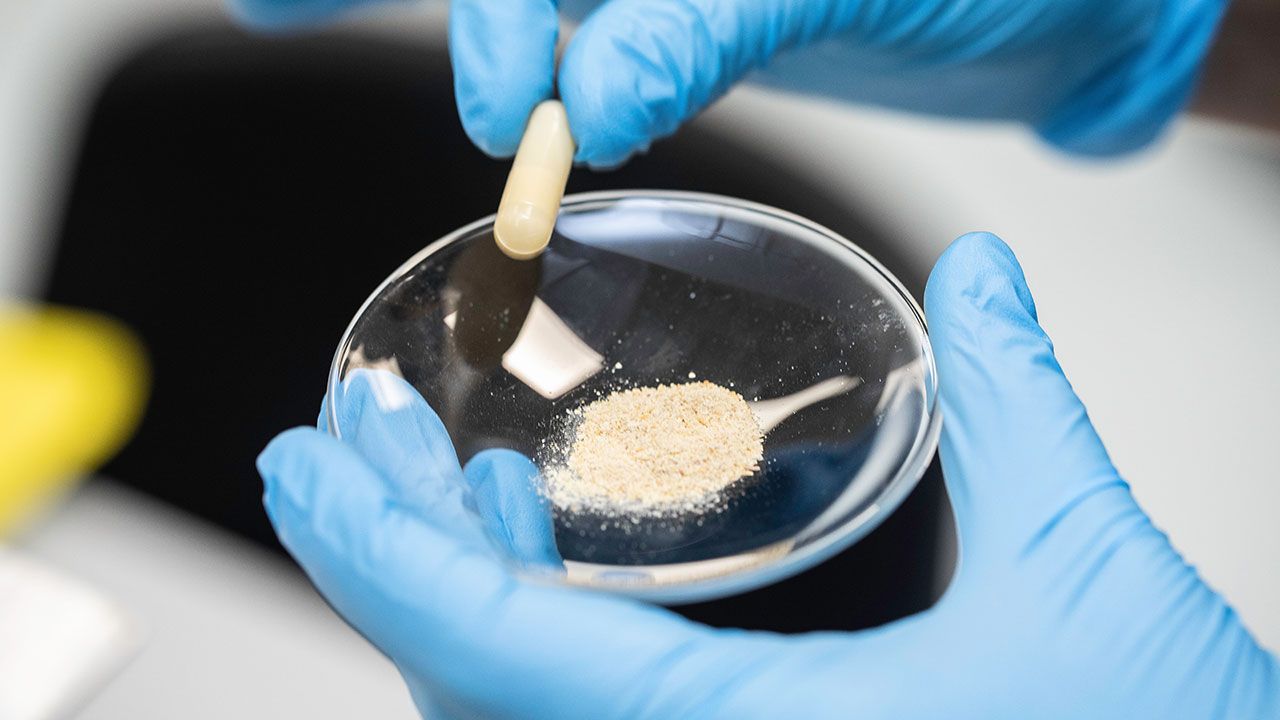

Industry is adapting to the increasing complexity and poor solubility and bioavailability of molecules in the pipeline.
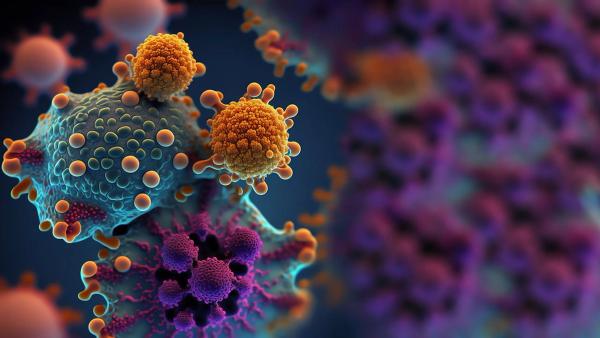
Accurately targeted immunotherapies through reliable neoantigen recognition enable personalized medicine development.
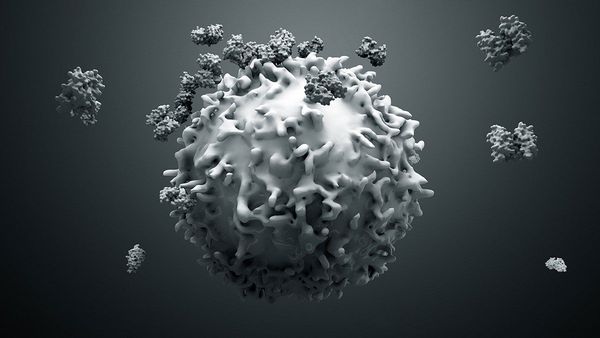
Activation and expansion are essential for success in both autologous and allogeneic therapies.
Continuous manufacturing and a quality-by-design development approach are a natural fit.

Industry is adapting to the increasing complexity and poor solubility and bioavailability of molecules in the pipeline.

The purpose of this article was to demonstrate the application of a new thermogelling matrix in the healing of wounds.
Further advances in construct design and manufacturing scalability are still needed.

Bio-Rad has expanded its range of recombinant monoclonal anti-idiotypic antibodies.
The new facility in Albany, Ore., will support biopharmaceutical development and lyophilization services.
Novasep-PharmaZell will increase API production capacity at its Mourenx site with €7.3M investment.
FDA and the USPTO hope to promote competition by challenging strategies designed to block timely approval of generics and biosimilars.
Promising applications for targeted delivery may be cresting the horizon.
Susan J. Schniepp, distinguished fellow at Regulatory Compliance Associates, answers some commonly asked questions about biologics license applications.
In this episode, Fernando Muzzio provides greater insight into a novel approach to improving drug solubility—continuous melt coating.
Merck, known as MSD outside the United States and Canada, now offers the Merck Digital Sciences Studio, designed to enable innovative tech for drug discovery and development.
Pfizer and Touchlight have signed a patent license agreement for Pfizer to use Touchlight’s doggybone DNA (dbDNA) in the manufacture of mRNA vaccines, therapeutics, and gene therapies.
Coya Therapeutics has secured intellectual property rights to the research, development, and manufacturing of exosome-polymer hybrids.
VeriSIM Life and Mayo Clinic are collaborating to develop new promising drug candidates.
NRG Therapeutics and Domainex aim to develop novel small-molecule drugs to treat neurodegenerative disorders, such as Parkinson’s disease.
LG Chem has decided to proceed with IND-enabling studies and has renewed a license with Avacta.
In this exclusive Drug Digest video, experts from Roche and MilliporeSigma divulge factors that could influence an organization to pursue specific biomolecules for development.

Biologics are forming a greater proportion of the development pipeline, but there are still some formulation difficulties to overcome to ensure clinical and commercial success.

Single-cell analytical technologies can deepen the understanding of cell biology and, therefore, disease mechanisms.

Lack of toxicity data and poor physicochemical properties must be overcome.

Pharma should expand on successful cell therapies in oncology by applying these development and manufacturing methods to neuronal cell therapies.
As we reach further afield in the molecular universe, we encounter new types of problems to resolve.
Systemic inefficiencies in the pharmaceutical industry undermine problem-solving efforts.
Inceptor Bio and the University of Minnesota aim to build a novel iPSC platform to accelerate cell therapy drug development.
ImmunoGen has formed a research collaboration with Oxford BioTherapeutics to develop novel antibody-drug conjugates for cancers with high unmet needs.