

Drug makers are going beyond continuous improvement and green chemistry to increase the sustainability of small-molecule manufacturing.
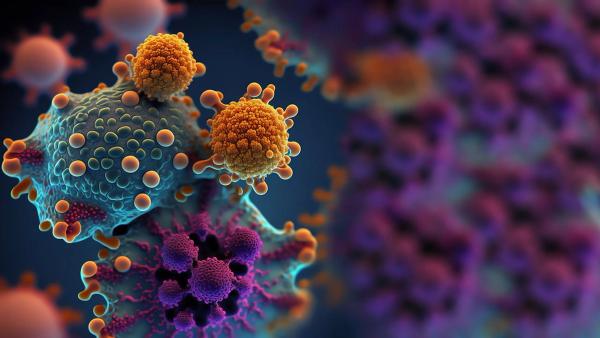
Accurately targeted immunotherapies through reliable neoantigen recognition enable personalized medicine development.
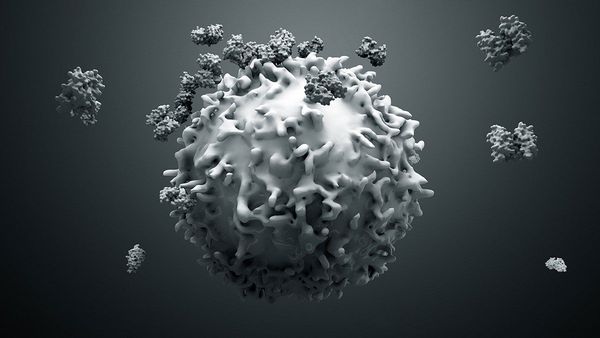
Activation and expansion are essential for success in both autologous and allogeneic therapies.
Continuous manufacturing and a quality-by-design development approach are a natural fit.

Drug makers are going beyond continuous improvement and green chemistry to increase the sustainability of small-molecule manufacturing.
A new program will test the safety and suitability of new inactive ingredients to encourage the accelerated adoption of FDA-accepted excipients in drug development.
Change of roster does not change the goal line. We are all patients first.
Appili Therapeutics and AiPharma Global Holdings announced a strategic alliance to advance the global development of a broad-spectrum antiviral treatment in oral tablet form for the treatment of COVID-19.
Novartis and Medicines for Malaria Venture have reported positive results from the Phase IIb study, evaluating a new non-artemisinin combination to treat uncomplicated malaria in children.
ViiV Healthcare has presented three-year clinical trial, reinforcing that the two-drug regimen Dovato can be used as a viable switch option for people living with HIV.
In September, Codex DNA released a full-length synthetic genome for the SARS-CoV-2 delta variant, which may accelerate discovery and development of diagnostics and treatments for COVID-19.

Alternatives to animal testing and in-vivo assays are occurring as a result of recent scientific advances.
GeneTx Biotherapeutics and Ultragenyx Pharmaceutical announced that FDA has removed the clinical hold on GTX-102, an investigational treatment for Angelman syndrome.
According to Charles River Laboratories, when asked how long it takes for a drug to be developed and approved for market in the United States, only 10% of 1,500 Americans polled correctly estimated that it takes between 10 and 15 years.
The organizers of Pharmapack Europe have released the results of its global drug delivery and packaging survey, demonstrating the continuation of the United States’ lead in innovation.
The first and only approved antibody-drug conjugate for the treatment of recurrent or metastatic cervical cancer with disease progression on or after chemotherapy receives accelerated approval by FDA.
In an amendment to their existing contract manufacturing agreement, Celsian and Poly Pharm expand GEN-1 program collaboration to add clinical and commercial batches of investigational vaccine.
The research collaboration between AstraZeneca and VaxEquity aims to discover and develop self-amplifying RNA therapeutics.
Celularity and Oncternal’s collaboration will focus on therapeutics targeting Orphan Receptor 1, which is linked to aggression and survival in solid tumor cells.
Novartis’ acquisition of Arctos Medical could lead to significant advancements in optogenetic therapies for patients with vision loss.
AstraZeneca will establish an API manufacturing facility near Dublin, Ireland.
UCR scientists are researching whether a plant-based messenger RNA vaccine can be created and aim to eliminate the need for the refrigeration of mRNA vaccines during transport and storage.
People with ulcerative colitis who are taking statins were found to have a 50% decreased risk of colectomies and hospitalization, according to a Stanford Medicine study.

EFSA’s evaluation of risk in food products raises implications for drug product formulations.

Pharmaceutical Technology checked in with AAPS and IPEC-Americas to get an update on how the organizations are navigating the pandemic and planning for the future.
The memorandum of understanding between ABITEC and Luca AICell will work to advance ultra-high purity lipidic chemistries.
Boehringer Ingelheim and Twist Bioscience will use Twist’s antibody libraries to discover therapeutic antibody candidates.

When designing and manufacturing a pMDI or DPI combination drug-delivery device, the commercial stage should be kept in mind from the beginning of development.
Moderna announced a collaboration to develop a new mRNA therapeutic for Crigler-Najjar Syndrome Type 1 at no cost to patients.