
Drug Development
Latest News
Advertisement
Research into Cold Cancers Heating Up
Accurately targeted immunotherapies through reliable neoantigen recognition enable personalized medicine development.

Development of Gamma-Delta T-Cell Therapies
Activation and expansion are essential for success in both autologous and allogeneic therapies.

QbD for Small-Molecule Continuous Process Development
Continuous manufacturing and a quality-by-design development approach are a natural fit.

Latest Videos




Shorts
0:30
Why STEM Programs Matter–Closing the Leadership Gap
15 hours ago
by
Susan Haigney
0:19
Developing Smarter Therapies for Cancer Patients
a day ago
by
Susan Haigney
0:15
Why Early STEM Engagement is Crucial for Human Health
4 days ago
by
Susan Haigney
0:44
Key Biopharma Trends That Emerged in Q3 2025
4 months ago
by
Patrick Lavery
0:31
Life Science CEOs Making AI a Top Priority: Report
4 months ago
by
Patrick Lavery
0:35
How Radiopharmaceuticals Target and Treat Cancer Precisely
4 months ago
by
Susan Haigney
0:33
The 4 Vital Steps in Preparing Radiopharmaceuticals for Cancer Therapy
4 months ago
by
Susan Haigney
0:42
Radiopharmaceuticals Beat Tough Cancers Like Prostate and Neuroendocrine
4 months ago
by
Susan Haigney
Advertisement
More News

Repertoire’s T cell receptor-epitope discovery platform will be used to develop tolerizing therapy development candidates with Eli Lilly and Company.

In part one of this four-part series regarding rare diseases, the author explores how rare disease treatment development evolved from a niche area to a cornerstone of biopharma growth.

Visit PharmTech.com for upcoming coverage of the International Day of Women and Girls in Science on February 11.

The European Commission has approved GSK’s adjuvanted recombinant respiratory syncytial virus vaccine, Arexvy, for use in adults aged 18 years and older.

Proteasome-targeting therapies may eliminate disease-causing proteins in a broad range of diseases.

Contract development and manufacturing organizations offer specialized services to help sponsor companies develop drug products that better serve the unique needs of patients.

AI and machine learning are helping pharmaceutical scientists more efficiently develop innovative and novel treatments for a range of disease areas.

AI and machine learning may be the ideal tools to evaluate patient data and predict ideal treatment options.

The CRDMO’s new facility will double chemistry capacity for drug discovery research and scale-up projects.

The company’s new AI agent automates labor-intensive processes involved in trial document management.
The move brings Amgen first-in-class, small molecule-targeted protein degraders for oncology.

Chromatin Bioscience, Mediphage Bioceuticals, and Entos Pharmaceuticals will receive advisory services and funding from UKRI Innovate UK and Canada’s NRC IRAP to develop next-generation genetic medicines.

Meri Beckwith, Co-CEO of Lindus Health, provides a look at how trends that developed in 2025 will impact the pharmaceutical industry in 2026.

China clears GSK’s Nucala (mepolizumab) for COPD, highlighting growing acceptance in the country for biomarker-driven therapies.
In this overview, PharmTech takes a look back at significant news in the development and approval of cancer treatment in 2025.

How will plans to rework medicines legislation in the European Union impact drug development, innovation, and market exclusivity?

Executive Director Emer Cooke presents EMA’s achievements for the year.

The authors detail a practical application of specification equivalence to excipients testing to achieve in-house harmonization.
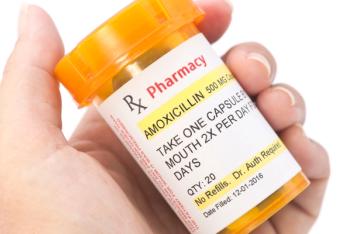
The approval was granted to USAntibiotics, with FDA saying it addresses pronounced antibiotic shortages in the past two decades.

The agency is approaching the new overhaul as a chance to reshape drug regulations in the European Union.

Co-legislators in Europe have reached a provisional agreement on a new pharmaceutical policy framework to help boost competitiveness, innovation, and supply chain security.

The collaboration will initially focus on advanced stages of solid cancers such as colorectal, pancreatic, lung, and breast, but may expand to other cancer types in the future.
New drug delivery systems prioritize convenience and customization, using advanced technologies like nano-engineering and non-invasive routes to improve patient outcomes.

Increasing demand, complexity, and potency are driving innovation and investment in HPAPIs.

The articles in this issue reflect an industry in transition, committed to innovation while ensuring safe, reliable, and forward-looking pharmaceutical production.
Advertisement
Advertisement
Trending on Pharmaceutical Technology
1
Drug Digest: Outsourcing Partnerships Fuel Global Biopharma Discovery and Scale-Up
2
FDA Grants Priority Review For Pfizer’s Marstacimab for Hemophilia A or B
3
The Role of Standards in Sustainability
4
Shaping the Future of Microbial Development: From Gene to GMP
5