



Drug Development
Latest News

Advertisement
Research into Cold Cancers Heating Up
Accurately targeted immunotherapies through reliable neoantigen recognition enable personalized medicine development.
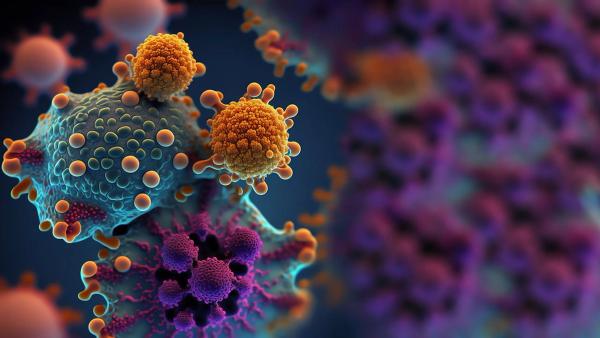
Development of Gamma-Delta T-Cell Therapies
Activation and expansion are essential for success in both autologous and allogeneic therapies.

QbD for Small-Molecule Continuous Process Development
Continuous manufacturing and a quality-by-design development approach are a natural fit.

Latest Videos





Shorts
0:21
Where is Onshoring Actually Happening?
2 months ago
by
Mike Stenberg(+1 more)
0:20
The Real Bottleneck to AI Adoption
2 months ago
by
Remco Munnik(+1 more)

0:24
The Main Takeaway from H1 2026
2 months ago
by
Megha Sinha(+1 more)
0:24
The Most Expensive Unsolved Problem in Pharma
2 months ago
by
Megha Sinha(+1 more)
0:21
Is an AI Orchestrator Just a Retitle?
2 months ago
by
Megha Sinha(+1 more)
0:34
AI: From Productivity Tool to Active Participant
2 months ago
by
Megha Sinha(+1 more)
0:33
Infrastructure Needs for Radiopharmaceutical Trials
4 months ago
by
Nicholas Richardson(+1 more)
0:29
The Importance of Treating HPV
4 months ago
by
Sandra Coufal, MD(+2 more)
0:18
Why FDA Rejections Happen And How to Stop Them
4 months ago
by
Andrew Lewis (+1 more)
0:20
How AI is Revolutionizing Drug Development and Innovation
4 months ago
by
Christine Allen(+1 more)
Advertisement
More News

Pathos AI's $2.09 billion license for Alphamab's TNBC drug JSKN016 signals rising cross-border oncology deals and manufacturing coordination demands.

Across development, manufacturing, quality, and outsourcing, the pharma industry is being asked to scale complexity without sacrificing control.
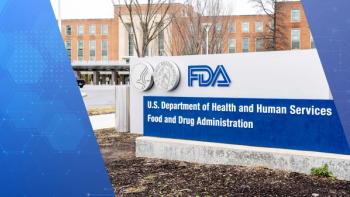
FDA revises draft guidance for 17 generic peptide products, including semaglutide and tirzepatide, updating testing standards ahead of a September comment deadline.
GSK invests £400M ($455 million) in a new Cambridge Biomedical Campus R&D hub, closing Stevenage by 2029 and expanding Ware's manufacturing scale-up capacity.

Pharma manufacturing and development experts reassess their 2026 predictions for the industry and look ahead to the second half of the year.

European biotechs are utilizing AI to identify novel immunoinflammatory targets in respiratory diseases.

Megha Sinha, Kolter AI explains how Pharma has automated drug discovery and manufacturing AI, but not regulatory execution.

FDA advisers vote to allow pharmacy compounding of unapproved peptides BPC-157, KPV, TB-500, MOTs-C despite thin safety data and industry ties.
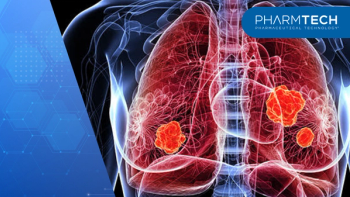
The FDA approval of Jideytro (zidesamtinib) for previously treated ROS1-positive NSCLC has implications for drug developers.
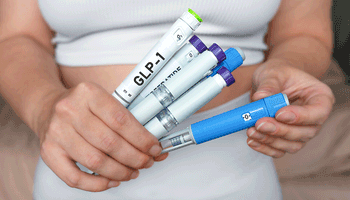
Novo Nordisk Sues Eli Lilly Over Zepbound and Mounjaro Ads, Alleging Omitted GLP-1 Dosing Data
Published: | Updated:
Novo Nordisk’s complaint contends that Lilly's campaigns leave out information about the most effective injectable doses of Wegovy (semaglutide) and Ozempic (semaglutide) currently on the market.

BMS is scaling AI drug discovery with new NVIDIA infrastructure, cutting research timelines via faster, more efficient computing power.
Megha Sinha, Kolter AI, discusses how digital twins run pharma supply chains but miss the regulatory execution needed to launch changes across markets.

Jeffrey C. Mocny, PhD, of Abzena, and Anna McMahon, MS, of Cellares, discuss how biopharmaceutical risk-based standards accelerate innovation and speed-to-market by leveraging data for better patient outcomes and safety.
FDA proposes a hub-and-spoke manufacturing registration rule and approves three drugs for multiple myeloma, IgA nephropathy, and bladder cancer.
EMA and EISMEA have formalized their cooperation through a work program aimed at helping small biopharma and medtech innovators engage with EU regulatory requirements earlier in development, potentially reducing late-stage manufacturing and quality problems for complex modalities.
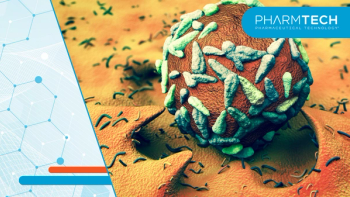
Dostarlimab monotherapy achieves sustained 12-month complete response in dMMR/MSI-H rectal cancer, potentially sparing chemo and surgery.
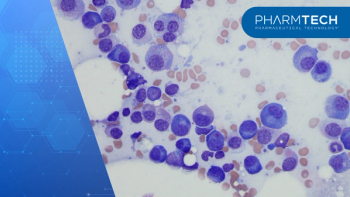
FDA approves subcutaneous isatuximab-irfc for multiple myeloma, backed by trial data showing efficacy comparable to IV dosing across three regimens.

Greater accountability and resilience across drug development and manufacturing are key goals for regulators and industry.
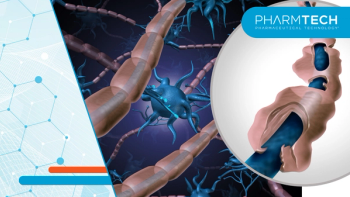
Ocrelizumab biosimilar for multiple sclerosis: Teva and Polpharma Biologics sign global deal covering intravenous and subcutaneous forms.

To drive long-term success, CROs need to strengthen their focus on efficiency, automation, data integrity, and compliance to generate higher ROI for clients.

It is essential to understand how raw material variability can create challenges in process control for autologous adoptive cell therapies.

Advances in personalized medicine, biopharma, and digital technologies are unlocking treatments for complex and rare conditions.
FDA approves a new IgA nephropathy therapy that targets two immune cytokines at once, offering a weekly, self-administered treatment option.

EMA starts phased review of daraxonrasib for metastatic pancreatic cancer, testing a faster assessment model under reformed EU pharma rules.
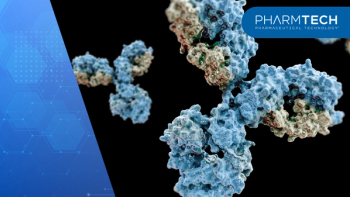
In a string of ADC acquisitions, Novartis agreed to acquire Myricx Bio for up to $1.5 billion, gaining an NMTi ADC payload platform designed to overcome resistance in solid tumor treatment.
Advertisement
Advertisement