





Manufacturing
Latest News
Advertisement
Review of SUT Adoption in Biopharma Manufacturing
The evolution of therapeutic modalities drives the adoption of single-use technologies.

Why Are Pharmaceutical Companies Reluctant to Adopt Cloud Technologies?
Despite its understandable hesitancy, the pharma industry is facing a need for more widespread adoption of cloud-based solutions.

Automating the Future of Fill/Finish
Given the criticality of fill/finish processes, it is clear that automation is the next technological step.

Latest Videos





Shorts

0:21
Is an AI Orchestrator Just a Retitle?
2 months ago
by
Megha Sinha(+1 more)

0:19
The Hidden Cost of Enterprise AI
3 months ago
by
Richard Jaenisch(+2 more)

0:23
The New Wave of Cold Chain Medicines
3 months ago
by
Brent Wilhelm(+1 more)
0:34
AI: From Productivity Tool to Active Participant
3 months ago
by
Megha Sinha(+1 more)

0:15
The Paperless Factory Goal
3 months ago
by
Saharsh Davuluri
0:41
How AI Fixes Supply Chain Disruptions
3 months ago
by
Brent Wilhelm(+1 more)
0:34
Why Companies Are Walking Back AI Layoffs
3 months ago
by
Richard Jaenisch(+2 more)
0:38
Why Corporate AI Training Fails
3 months ago
by
Richard Jaenisch(+2 more)
0:31
How The Industry Can Protect Supply Chains
3 months ago
by
Brent Wilhelm(+1 more)
0:38
How Lehigh Valley is Prepping a Workforce for Lilly
4 months ago
by
Karianne Gelinas(+1 more)
Advertisement
More News
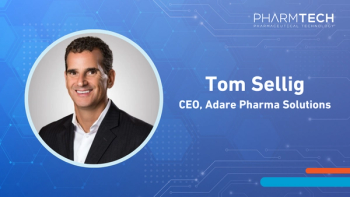
Tom Sellig, Adare Pharma Solutions, shares how the CDMO is positioning for growth amid US reshoring and oral dose innovation trends.
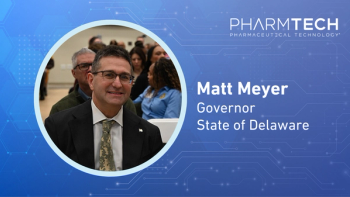
At CPHI Americas, Delaware governor Matt Meyer outlined the state's biopharma vision: fostering workforce talent, industry collaboration, and regulatory speed to market.

CMC teams can align with Q5A(R2)’s updated guidance to shorten testing timelines and strengthen assurance of participant safety.
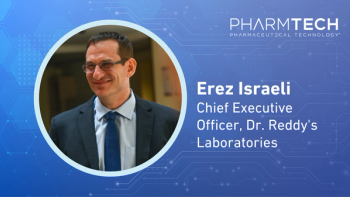
Erez Israeli, chief executive officer of Dr. Reddy's Laboratories, provides insight on the company’s generic version of semaglutide, which entered the Canadian market in May 2026.

FDA approves inhaled insulin Afrezza for children aged 6+, expanding pediatric diabetes care and highlighting inhaled biologics' manufacturing complexity.
This week's news and expert commentary shows that regulatory timelines are tightening, strategic capital is moving into new therapeutic categories, and long-standing operational gaps are demanding real solutions.

The cell and gene therapy manufacturing workforce is having to expand on deliverables while remaining under trained.

Pharmaceutical serialization must evolve from regulatory compliance into operational intelligence, addressing hidden failures like exception overload, certificate expiry, and 3PL complexity.
Increased regulatory flexibility for rare diseases, a critical shift toward automated, data-driven manufacturing, and strategic acquisitions in genetic medicine were some of the highlights this week.

European biotechnology companies are increasing patient access to innovative cell and gene therapies through decentralized next-generation manufacturing platforms.

Bristol Myers Squibb collaborates with Anthropic to accelerate drug development, manufacturing quality systems, and regulatory documentation via AI integration.
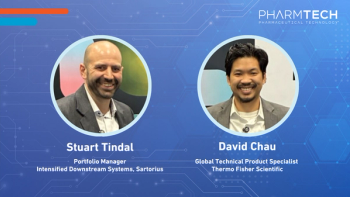
Stuart Tindal, Sartorius, and David Chau, Thermo Fisher, discuss automation, single-use technology limits, and predictive control shaping continuous bioprocessing's future.

Deborah Smook, co-founder and co-owner of TurboFil Packaging Machines, explains some of the challenges involved with prefilled syringe manufacturing.

Building resilient, adaptable operations capable of evolving alongside the rapid transformation of the biologics industry is key for downstream processing.
This week, the industry saw rapid technological integration on the factory floor, a strategic shift toward globalized development networks, and leadership upheaval at the FDA.
Mihaela Simianu and Austin Caudle join the show to discuss how digital container twins can improve pharma manufacturing, validation, and risk reduction.
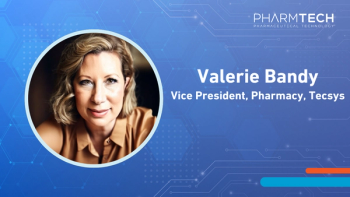
Valerie Bandy, Tecsys, explains how proactive vendor relationships, strategic drug allocation, and end-to-end visibility can prevent costly pharmaceutical supply disruptions.
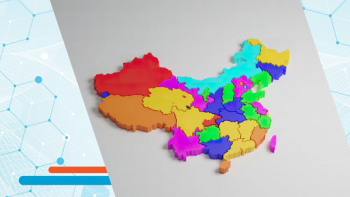
Bristol Myers Squibb’s Hengrui agreement underscores how China-based early development may influence portfolio and manufacturing decisions.

This article evaluates a structured, risk-based framework for the development, execution, and life cycle governance of master production and control records and batch production and control records systems aligned with current good manufacturing practice requirements and internationally harmonized pharmaceutical quality system guidance.

Advancing Aseptic Precision: How Modern Filling Lines Elevate Sterility, Flexibility, and Throughput
Automation, isolators, and AI-driven analytics are reshaping aseptic filling while boosting sterility assurance, flexibility, and GMP compliance.

AI and PAT have been shown to reduce manufacturing variability in advanced therapies, which leads to improved process control and accelerated patient access to lifesaving treatments.
Valerie Bandy, Tecsys, shares how manufacturers can build resilient supply chains, navigate drug shortages, and better support health systems.
This week's roundup features coverage from Excipient World and INTERPHEX, including discussions on proactive risk management, the rise of advanced modalities, and the integration of flexible, tech-enabled infrastructure.

Lilly expanded its Indiana manufacturing investment by $4.5 billion to support tirzepatide, oral glucagon-like peptide-1, and genetic medicines.
Visual inspection injectable products may be enhanced by the utilization of AI to analyze and link data to identify deviations, trends, or irregularities.
Advertisement
Advertisement
Trending on Pharmaceutical Technology
1
Pritelivir Shifts Resistant Herpes Care from Intravenous to Oral
2
CPHI Milan: Packaging and Delivery Decisions Must Reflect Real-World Care
3
Manufacturing Intelligence: Organoids, Organ-on-a-Chip, and the Trust Gap
4
Can Continuous Tableting End Scale-Up for Complex Oral Drugs?
5