

Novo Nordisk’s Wegovy will be competing with Madrigal Pharmaceuticals’ Rezdiffra in the metabolic dysfunction-associated steatohepatitis arena.
Novo Nordisk’s Wegovy will be competing with Madrigal Pharmaceuticals’ Rezdiffra in the metabolic dysfunction-associated steatohepatitis arena.

UK pharma small- and medium-sized enterprises face funding and R&D barriers. Improved tax relief and targeted incentives are vital to keep UK innovation competitive.

The 2024 edition of the annual conference, held in Milan, attracted more than 59,000 professionals from across the bio/pharmaceutical landscape.

This potential shift has profound implications for regulatory strategy, transparency, and internal quality systems, directly impacting the core concerns of industry professionals.
Pharma embraces AI for quality, supply chain, and training; navigates FDA compliance; and develops new treatments like an epinephrine nasal spray.

The two organizations are collaborating on an integrated translational biology platform for the development of radiopharmaceuticals.

Bram Baert, global head of Regulatory Affairs at Lonza CHI, gives his perspective on the impact of the EC’s decision on the use of TiO2 in drug products.

Merck’s Sanat Chattopadhyay called for stronger leadership, data-driven oversight, and shared accountability to raise pharmaceutical quality standards.
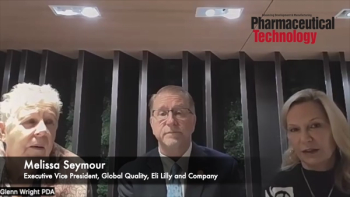
Susan J. Schniepp, Distinguished Fellow, Regulatory Compliance Associates, joins PDA CEO Glenn Wright and Melissa Seymour, Executive Vice President, Global Quality, Eli Lilly and Company, to talk about the regulatory and quality topics discussed at the 2025 PDA Regulatory Conference.

AI can offer a strategic blueprint for GxP compliance, risk mitigation, and human-led operational excellence.

FDA experts at PDA 2025 urges pharma to adopt holistic quality systems, strengthening 483 responses & post-warning letter remediation for compliance excellence.

Charles Gibbons of Lachman Consultants and Michael Grischeau of AbbVie stressed AI governance, data integrity, and human oversight as essential to applying digital tools across labs and supply chains.

Scientific discovery, technological evolution, and market demands are constantly reshaping the landscape.

Aaron Cowley, Recipharm Advanced Bio; Renee Hart, LumaCyte; and Vibha Jawa, EpiVax, go behind the headlines to delve deeper into recent market deals driven by Big Pharma patent cliffs and the complex manufacturing of ATMPs.


Bothe data integrity and quality of data are critical for drug discovery, manufacturing efficiency, regulatory compliance, and patient safety.

The performance of ARS Pharmaceuticals’ Neffy marginally outpaced historical reports of epinephrine injection effectiveness.

More than 700 out of 1000 senior executives surveyed believe that next-gen supply chains should be among the top tech priorities for life sciences organizations.
The PDA Regulatory Conference convenes more than 30 FDA experts to discuss cGMP excellence, compliance trends, and regulatory outlook, offering crucial insights for pharma manufacturing professionals.
The agency says it will now publish complete response letters promptly, offering developers early insight into regulatory deficiencies to improve development planning.
Aficamten beat metoprolol for oHCM, EMA/WHO hit 10 yrs, Oxford and EIT collaborated on AI vaccine, Offit's FDA exit stirred policy, and Pistoia set agentic AI rule.

The nonprofit is calling upon its community of experts in both artificial intelligence and machine learning to continue building support for responsible adoption of AI in the bio/pharmaceutical industry.

The partnership, which has received £118 million (US$158 million) in research funding, aims to establish a better understanding not only of how the body fights infection, but also how vaccines protect it.
Paul Offit removed from FDA vaccine panel as RFK Jr. reshapes US immunization policy, raising concerns for bio/pharma and regulation.

Digital solutions help pharmaceutical manufacturers navigate the complex supply chain.

This article previews some formulation topics discussed in the Pharma Fundamentals series, which aims to enhance learning for professionals in pharmaceutical drug development and manufacturing.

Michelle Heiter, laboratory and quality control specialist, and Susan J. Schniepp, distinguished fellow, Regulatory Compliance Associates, a Nelson Labs Company, discuss how to effectively use contamination control strategies in your operations.
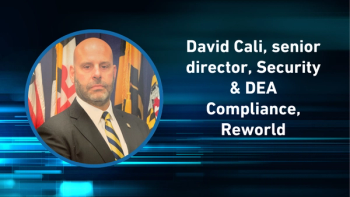
Pharma manufacturers must securely destroy expired or off-spec drugs to meet DEA standards, avoid compliance risks, and protect public safety.
Aficamten is a small-molecule cardiac myosin inhibitor that was compared for the first time in the trial to the standard-of-care beta blocker.

EMA and WHO have collaborated for a decade, with WHO utilizing EMA’s scientific expertise to fulfill its mandate to improve access to safe and effective medicines.